
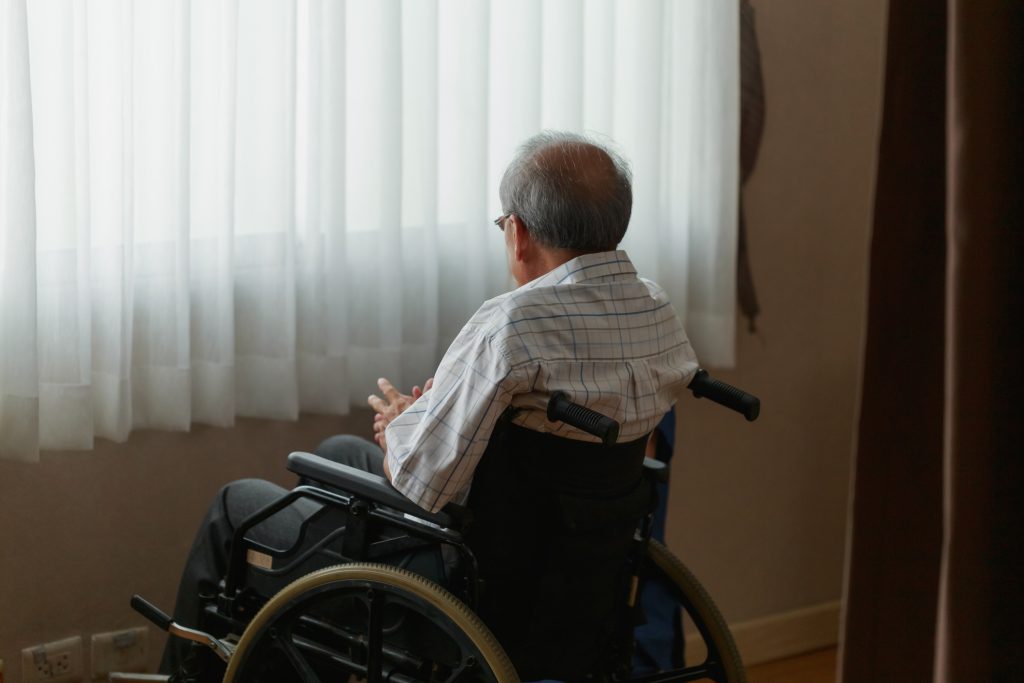
Nursing home abandonment is a serious and ongoing concern across Texas. More than an isolated lapse in care, it frequently reflects systemic failures: chronic understaffing, inadequate supervision, or poorly enforced policies. Texas Health and Safety Code Chapter 242 establishes enforceable standards of care for licensed nursing facilities. When those standards are violated, you may have grounds to pursue a civil claim for the harm they cause to your loved one.
At Crowe Arnold & Majors, LLP, our Dallas nursing home abuse lawyers have spent decades holding negligent care facilities accountable for the harm they cause to vulnerable residents.
To schedule a free and confidential appointment, contact us today.
Jury verdict after trial involving allegations of nursing home abuse and neglect, in which victim suffered sepsis and severe malnutrition and dehydration. (Oklahoma)
Settlement involving nursing home fall.
Settlement involving nursing home bed sore and infection death.
Click Here to Call Our Law Office
What Is Abandonment in a Nursing Home?
In a civil claim, nursing home abandonment occurs when a facility or its staff fails to provide the care, supervision, or assistance a resident depends on, breaching the duty of care the facility assumed upon admission. Abandonment typically involves a deliberate withdrawal of care from your loved one that leaves them in a vulnerable or dangerous situation.
That duty is not abstract. When a resident is left in soiled bedding for hours, denied food or water, or has urgent requests for help repeatedly ignored, the facility has failed a person in its care and may be held civilly liable for the harm that results.
How Abandonment Differs From General Neglect
Neglect and abandonment are related but legally distinct. Neglect typically involves a failure to provide adequate care: poor hygiene, missed wound care, or inadequate nutrition, often resulting from understaffing or inattention.
Abandonment is more specific: it is the complete withdrawal of care or supervision from a resident who cannot manage on their own, and it frequently involves deliberate conduct rather than oversight.
That distinction matters when building a civil claim, as it can affect how liability is established and what damages may be available. A nursing home abandonment attorney in Dallas at Crowe Arnold & Majors can help you determine which applies to your situation and what legal options you have.
Federal and Texas Protections for Nursing Home Residents
Under the Nursing Home Reform Act, nursing homes have clear legal obligations to their residents, and abandonment in Dallas nursing homes violates them. Facilities must maintain adequate staffing, provide humane care, and, when a discharge is necessary, give at least 30 days’ written notice and arrange a safe, orderly transfer.
The Texas Health and Safety Code reaffirms these obligations, requiring nursing facilities to provide humane care, adequate supervision, and proper medical treatment. When a facility falls short of these standards, it may be breaching its legal duty of care, and families may have grounds to pursue a civil claim.
Tap Here to Call Our Law Office
Why Abandonment Happens in Dallas-Area Nursing Homes
Behind every case of nursing home abandonment is a facility that failed someone who trusted it with a person they love.
Abandonment is rarely accidental. It typically involves a deliberate decision, by a staff member, a supervisor, or the facility itself, to withdraw care from a resident who has no means to seek help on their own. That can take several forms.
Abandonment by Individual Staff Members
At the staff level, abandonment occurs when a nurse or aide leaves an assigned resident without ensuring another qualified caregiver takes over, walking off a shift, ignoring a call for help, or leaving a resident in a dangerous situation without notice.
Chronically understaffed facilities create conditions where employees face impossible choices, but the legal duty to that resident does not disappear because of scheduling failures.
Abandonment by the Facility
At the facility level, abandonment can take the form of improper discharge, sometimes called patient dumping, when a nursing home removes a resident without a safe plan, adequate notice, or proper placement.
This often targets residents who require more intensive care, or those whose stays are funded through Medicaid. Because Medicaid reimbursement rates are lower than private pay, facilities may seek to replace those residents with more profitable ones.
Warning Signs of Nursing Home Abandonment
If you visit a loved one regularly, you may be the first line of defense against nursing home abandonment.
Signs to watch for include:
- Unexplained weight loss, dehydration (dry lips, sunken eyes, confusion)
- Bedsores or pressure ulcers at any stage
- Unwashed hair, soiled clothing, or a chronically unclean room
- Unattended wounds or unchanged dressings
- Unexplained bruising or injury
- No staff member able to locate your loved one or account for their whereabouts during a recent shift
- Fresh injuries consistent with an unwitnessed fall
- Care records showing extended gaps with no documented check-ins or staff contact
Many of these signs overlap with general neglect, and that is by design; abandonment and neglect often look the same from the outside. The legal distinction between a deliberate withdrawal of care and neglect is typically established through evidence gathered after the fact: staffing records, shift logs, witness accounts, and facility policies.
If something feels wrong, document what you observe and contact an attorney. Determining which applies to your situation is exactly what we do.
Call Now For a FREE Consultation!
What Happens to Residents Who Are Abandoned?
The harm caused by nursing home abandonment can be swift and severe, and in a civil claim, documenting these outcomes is central to establishing damages.
Dehydration and Malnutrition
Older adults can lose their sense of thirst as they age, so they depend on staff to regularly provide fluids and meals. Dehydration and malnutrition in nursing home residents can develop quickly and cause organ failure, dangerous electrolyte imbalances, and, in severe cases, death.
Bedsores and Missed Medications
Residents who cannot reposition themselves depend on staff to turn them regularly. Without that, sustained pressure causes skin and tissue to break down, leading to pressure ulcers that can become severely infected.
Also, when residents miss medications for conditions like diabetes or heart disease, the risk of strokes, cardiac events, or diabetic emergencies can increase. These are preventable outcomes that happen when a facility stops doing its job.
Emotional and Psychological Harm
Being consistently ignored or left alone is not just physically dangerous; it causes real psychological harm. Residents who feel abandoned may experience anxiety, depression, and a profound loss of dignity. For those with dementia, periods of unmanaged distress can accelerate cognitive decline. These harms are just as serious as physical injuries.
Building a Nursing Home Abandonment Case in Texas
Building a successful abandonment claim requires more than showing that something went wrong. Your attorney will need to establish the four elements of negligence:
- Duty of care – The facility owed your loved one a legal obligation to provide adequate care and supervision.
- Breach of duty – The facility or its staff failed to meet that standard by withdrawing care, ignoring requests for help, or leaving a resident unsupervised.
- Causation – That failure directly caused your loved one’s harm. Medical records and expert testimony are often key here.
- Damages – Your loved one suffered actual harm: physical injury, psychological harm, or medical decline. In cases where abandonment resulted in death, a separate wrongful death claim may be available to surviving family members.
Every case is different, and not every situation that feels like abandonment will meet all four elements. But if you believe your loved one was harmed by a facility’s failure to provide care, it is worth speaking with our attorneys about what happened.
Tap Here to Call Our Office Now
Proving Nursing Home Abandonment in Texas
Building a strong case requires thorough documentation; a clear, evidence-based account of how the facility or its staff failed to meet their legal duty of care. In serious injury and wrongful death cases, this means establishing not just that harm occurred, but that abandonment was the cause.
Critical evidence in nursing home abandonment cases typically includes:
- Medical and nursing records — Documentation of care provided, medication administration logs, and any gaps or inconsistencies that indicate a resident was left without adequate attention
- Staffing records and schedules — Evidence of chronic understaffing, missed shifts, or staff-to-resident ratios that fell below required standards
- Incident and injury reports — Internal facility records documenting falls, medical emergencies, or other adverse events and how or whether staff responded
- State inspection and survey records — Citations, deficiency findings, and regulatory actions taken against the facility by the Texas Health and Human Services Commission
- Witness statements — Accounts from other residents, family members, or staff that corroborate the pattern of neglect or abandonment
- Expert testimony — Medical and nursing care experts who can establish the applicable standard of care and demonstrate how the facility’s conduct fell short
Gathering and preserving this evidence early is critical. Records can be altered, lost, or destroyed, and the two-year statute of limitations under Texas law means time is a factor. An attorney experienced in nursing home abandonment cases can move quickly to secure evidence, engage the right experts, and build the strongest possible case on your loved one’s behalf.
Call Now to Speak to an Experienced Personal Injury Attorney!
Key Evidence
Nursing homes are required to maintain detailed records, and those records often reveal what went wrong.
Key evidence includes:
- Staffing records and shift logs
- Call light response data
- Medical records
- Photographs
- Witness statements
- State inspection reports
- Incident reports filed by the facility
Our attorneys know how to obtain this documentation, and when facilities are uncooperative, we have legal tools to compel the production of records. We also work with medical experts who can help connect the facility’s failures to the harm your loved one suffered.
Possible Compensation for Texas Nursing Home Abandonment Lawsuits
If a nursing home abandonment claim is successful, Texas law allows families to seek compensation for a range of damages. Depending on the circumstances, that may include medical expenses related to the harm caused, pain and suffering, and emotional distress. In cases of gross negligence, exemplary damages may also be available.
Where abandonment contributed to a resident’s death, surviving family members may have a separate wrongful death claim that allows them to seek additional compensation for their own losses.
How Are These Cases Resolved?
Many cases resolve through settlement, though some proceed to litigation when a fair resolution cannot be reached. Having an attorney prepared to take a case to trial often strengthens your position at the negotiating table.
Every case is different, and no outcome can be promised. However, our attorneys will give you an honest assessment of your situation and work to achieve the best possible result on your family’s behalf.
What to Do If You Suspect Nursing Home Abandonment
Start by filing a complaint with Texas Adult Protective Services (APS). You can call the statewide hotline at 1-800-458-9858 (available 24/7) or report online through the Texas Health and Human Services website. You do not need proof. A reasonable suspicion is enough to open an investigation.
At the same time, document what you can with dated photographs, written notes of specific incidents, and copies of any communications with the facility. That evidence can be critical if a legal claim becomes necessary.
Talk to a Dallas Nursing Home Abandonment Attorney Today
Dealing with a potential legal claim while also caring for a loved one is difficult. At Crowe Arnold & Majors, LLP, we handle the legal side, gathering records, working with experts, dealing with insurance companies, and building your case, so you can focus on your family.
Our team has recovered hundreds of millions of dollars for injured clients across Dallas, DFW, and North Texas, including a $3 million verdict in a nursing home abuse case. We work on a contingency basis, which means no fees unless we win for you.
Texas law imposes a strict deadline on nursing home abuse claims. There is a statute of limitations for nursing home abuse in Texas, and missing it could affect your ability to recover compensation.
Schedule a Free Consultation Today. There’s No Fee Unless We Win
If your loved one has been harmed by abandonment in a Dallas-area nursing home, contact Crowe Arnold & Majors, LLP today and schedule a free, no-obligation consultation. Our attorneys have the experience and resources to hold negligent facilities accountable, and you pay nothing unless we win your case.
Speak with a Qualified Dallas Nursing Home Neglect Attorney

John W. Arnold,
Partner, Trial and Appellate Attorney
With over 25 years of experience, John is a seasoned trial and appellate attorney known for delivering results.

David W. Crowe
Partner, Personal Injury
For more than 30 years, David has been a powerful advocate and fighting for individuals harmed by negligence and abuse.

D.G. Majors
Trial Attorney, Personal Injury and Product Liability
D.G. is a trial lawyer with a strong track record of results in personal injury, product liability, and commercial litigation.
If you’re concerned that your loved one is experiencing neglect or abandonment in a nursing home setting, substantial compensation may be available. Provided you have ruled out any immediate danger to your loved one’s health, we highly recommend contacting Crowe Arnold & Majors, LLP at your earliest convenience. Let our dedicated team of Dallas personal injury lawyers help you find the answers you seek today. Call (214) 231-0555 for more information.
Our Dallas Location
6550 Bank of America Plaza
901 Main St.
P: 214-231-0555
Additional Information
Nursing Home Allegedly Abandoned 14 Old And Sick Patients
Elder Abuse – Texas Attorney General
Neglect and Abandonment – U.S. Department of Justice
Frequently Asked Questions
What is the difference between nursing home abandonment and neglect?
Neglect involves a failure to provide adequate care due to inattention or understaffing. Abandonment is more specific; it is the deliberate withdrawal of care from a resident who cannot meet their own needs. That distinction affects how a civil claim is built and what evidence is required.
How do I report nursing home abandonment in Texas?
File a complaint with Texas Adult Protective Services by calling 1-800-458-9858, available 24/7, or report online through the Texas Health and Human Services website. You do not need proof; a reasonable suspicion is enough to open an investigation.
How long do I have to file a nursing home abandonment claim in Texas?
Texas law generally imposes a two-year statute of limitations running from the date of the injury or its discovery. Missing that deadline can affect your ability to recover compensation.
Can a nursing home be sued for abandoning a resident?
Yes. When a facility withdraws care in violation of its legal duty, families may have grounds to pursue a civil negligence claim seeking medical expenses, pain and suffering, emotional distress, and exemplary damages in cases of gross negligence.
What evidence is needed in a nursing home abandonment case?
Key evidence includes staffing records, shift logs, call light response data, medical records, photographs, witness statements, and state inspection reports. An attorney can obtain this documentation and work with medical experts to connect the facility’s failures to the harm your loved one suffered.