
Do I Have a Case If My Loved One Developed Bedsores in a Texas Nursing Home?
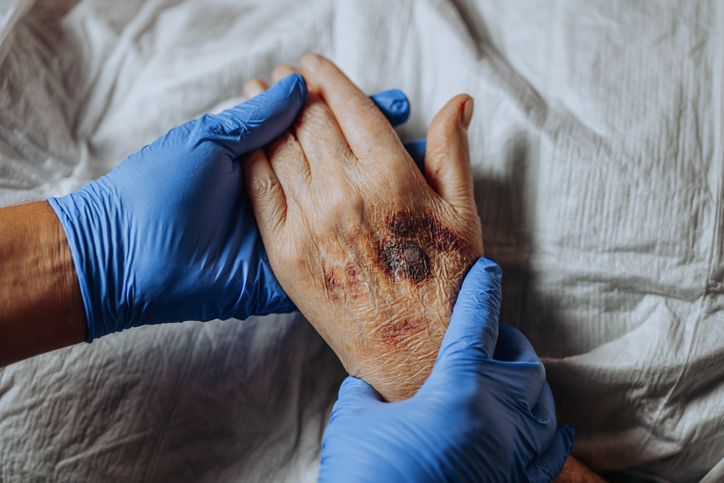
Bedsores, also called pressure ulcers, are one of the clearest indicators that a nursing home resident is not receiving adequate care. In most cases, they are entirely preventable. When they appear, particularly at advanced stages, they often signal a failure to meet the standard of care required by Texas law, and may be grounds for a negligence claim against the facility or its staff.
At Crowe Arnold & Majors, LLP, our Dallas nursing home lawyers work with families across Dallas and North Texas, taking aggressive legal action when a preventable pressure injury leads to serious consequences. If this has happened to a loved one, you are entitled to seek legal representation and pursue damages. We can help investigate, prove liability, and recover compensation from a nursing facility, nursing care organization, hospital, or physician. Schedule a free consultation today.
No Fees Unless We Win!





What Are Bedsores (Pressure Ulcers)?
Bedsores, also called pressure ulcers or decubitus ulcers, are wounds that develop when sustained pressure cuts off blood flow to the skin and underlying tissue. They most commonly form over bony areas of the body, such as the hips, heels, tailbone, and shoulder blades. While pressure is the primary cause, friction, moisture, and shear force can accelerate skin breakdown significantly.
How Bedsores Develop
When a resident remains in one position for too long without being repositioned, blood flow to pressure points is cut off, and tissue begins to break down. What makes this particularly serious is the speed at which it can occur; in some cases, skin breakdown can begin in as little as two hours of sustained pressure.
The Stages of Pressure Ulcers
Understanding how bedsores progress can help you recognize when something is seriously wrong. Pressure ulcers develop in stages, each more severe than the last:
- Stage 1: Red or discolored skin, possibly painful
- Stage 2: Open wound or blister
- Stage 3: Deep wound reaching fatty tissue
- Stage 4: Severe damage exposing muscle or bone
Advanced stages carry a high risk of infection and other serious complications. By that point, what started as a preventable wound can become a life-threatening condition.
Why Bedsores Are Often Preventable in Nursing Homes
Pressure ulcers can often be avoided with proper care:
- Regular repositioning
- Skin inspections
- Adequate nutrition and hydration
- Timely medical treatment
When these basic steps are missed, it is often not an accident; it reflects a failure of the facility’s basic duty of care and may constitute actionable neglect under Texas law.
Speak to a Dallas Nursing Home Abuse Lawyer Now
What Causes Bedsores in Nursing Homes?
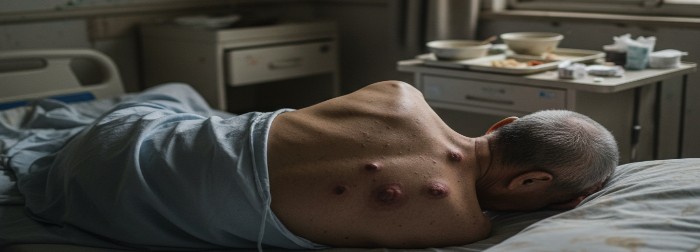
Bedsores are rarely caused by a single issue. More often, they result from breakdowns in daily care.
- Failure to reposition immobile residents: Residents who cannot move independently must be repositioned frequently. When staff fail to do this, pressure builds, and skin damage begins.
- Understaffing and inadequate monitoring: Chronic understaffing is a leading factor in pressure ulcer negligence claims. When there aren’t enough caregivers, essential tasks are delayed or skipped entirely.
- Malnutrition and dehydration: Poor nutrition weakens the skin and slows healing. Dehydration further increases vulnerability to breakdown. In a nursing home setting, staff are responsible for monitoring and preventing both conditions.
- Improper wound care in nursing homes: Facilities must follow established protocols for treating early-stage sores. Failures in wound care can allow injuries to worsen and may lead to infections that are difficult or impossible to reverse.
How Common Are Bedsores?
Bedsores are a pervasive issue in long-term care facilities across the country. The Agency for Healthcare Research and Quality estimates that more than 2.5 million people develop pressure ulcers every year in the U.S. Additional research suggests facilities are underreporting these injuries, and the actual scope of the problem may be far greater than official numbers reflect.

When Do Bedsores Indicate Nursing Home Negligence?
Not every bedsore automatically means negligence, but certain red flags suggest a facility may have failed in its responsibilities.
- Failure to follow the resident’s care plan — Nursing homes are required to develop and follow individualized care plans that include repositioning schedules, skin assessments, and wound care protocols. When those steps are skipped, or the care plan is ignored entirely, it is difficult for a facility to argue that it met its legal obligations.
- Skipped or poorly documented protocols — Gaps or inconsistencies in documentation can be as telling as the injury itself. When records don’t reflect the care that should have been provided, that absence becomes evidence.
- Delayed treatment — When a bedsore is identified but not promptly addressed, the facility may bear responsibility for the harm that follows. Delays can be the difference between a manageable wound and a life-threatening infection.
- Multiple or worsening sores — The presence of more than one pressure ulcer, or sores that progress despite reported care, often suggests the facility’s failures were systemic rather than isolated.
Bedsore Complications
Bedsores are not just skin injuries. Left untreated, open wounds can become severely infected, progressing to sepsis, a systemic condition that can cause organ failure and death. In the most serious cases, the extent of tissue damage may require amputation.
These outcomes are preventable. When a resident dies as a result of complications from an untreated pressure ulcer, surviving family members may have grounds for a bedsore wrongful death claim in Texas.
Jury verdict after trial involving allegations of nursing home abuse and neglect, in which victim suffered sepsis and severe malnutrition and dehydration. (Oklahoma)
Settlement involving nursing home fall.
Settlement involving nursing home bed sore and infection death.
Call the Crowe, Arnold, & Majors, LLP Law Firm
Can You Sue a Nursing Home for Bedsores in Texas?
Yes, suing a nursing home for bedsores due to neglect is a recognized legal claim in Texas. When a pressure ulcer develops or worsens as a result of a facility’s failure to meet its standard of care, affected residents and their families may have grounds to pursue a nursing home neglect lawsuit.
A typical nursing home pressure ulcer lawsuit involves showing:
- The facility had a duty to care for the resident.
- That duty was breached.
- The breach caused the bedsore.
- The resident suffered harm as a result.
When a facility’s failure to provide basic, preventable care results in serious injury or death, Texas law provides a path to accountability.
Documenting Bedsores for Legal Action
Strong documentation can play a key role in building a case, and the steps you take early on can make a significant difference down the road.
- Photograph and track wound progression — Take clear photos regularly to show how the wound changes over time. This can highlight whether the condition is improving or deteriorating. A visual timeline can be compelling in demonstrating a facility’s failure to act.
- Request medical and care records — Families have the right to request treatment notes, care plans, and incident reports. The sooner you gather these documents, the better protected you are if records are later altered or go missing.
- Identify inconsistencies in documentation — Gaps or inconsistencies in records can raise questions about whether proper care was actually provided.
Secure expert medical analysis — Under the Texas Medical Liability Act, health care liability claims require a qualified expert report, typically from a physician or licensed nurse, establishing the applicable standard of care and how the facility’s conduct fell short. This is not optional; it is a procedural requirement, and meeting it is essential to keeping a claim viable.
Potential Compensation for Nursing Home Bedsores
Compensation depends on the details of the case, but may include both economic and non-economic losses. Texas law accounts for the full range of harm a resident and their family may suffer when evaluating the value of a claim.
- Medical expenses — hospitalization, surgical intervention, specialized wound care, and ongoing treatment
- Relocation costs — expenses associated with transferring a resident to a safer facility
- Pain and suffering — compensation for the physical pain and emotional distress experienced by the resident
- Mental anguish — the psychological impact on both the resident and their family
- Loss of dignity — recognized under Texas law as a distinct category of harm in elder abuse and neglect cases.
- Exemplary damages — available in cases involving gross negligence or willful disregard for a resident’s safety
When Bedsore Complications Result in Death
When a resident dies as a result of untreated or inadequately treated pressure ulcers, surviving family members may have grounds for a wrongful death claim under the Texas Wrongful Death Act, separate from and in addition to any negligence claim. Eligible claimants include the surviving spouse, children, and parents of the deceased. Recoverable damages may include funeral and burial expenses, medical costs, and loss of companionship.
Our Dallas Nursing Home Abuse Lawyers Are Ready to Fight For You
Nursing Home Bed Sore Attorneys in Dallas, TX
If you suspect your loved one has not been well cared for, contacting Dallas nursing home abuse lawyers can help. Through a free consultation, we’ll explore your legal rights and potential for compensation to cover medical expenses, pain and suffering, and loss of enjoyment in life. Contact Crowe Arnold & Majors to pursue a lawsuit for skilled nursing facility abuse by calling toll-free at (214) 231-0555. We humbly offer you our 65 years of collective expertise, during which we have recovered hundreds of millions on behalf of our clients. Our pledge is to always serve your best interests. Contact us today for a free case evaluation with nursing home bed sore attorneys in Dallas, TX.
Why Families Choose Crowe Arnold & Majors, LLP, for Bedsore Lawsuits

John W. Arnold,
Partner, Trial and Appellate Attorney
With over 25 years of experience, John is a seasoned trial and appellate attorney known for delivering results.

David W. Crowe
Partner, Personal Injury
For more than 30 years, David has been a powerful advocate and fighting for individuals harmed by negligence and abuse.

D.G. Majors
Trial Attorney, Personal Injury and Product Liability
D.G. is a trial lawyer with a strong track record of results in personal injury, product liability, and commercial litigation.
When you hire Crowe Arnold & Majors, LLP, you’re not hiring a single attorney; you’re hiring a council of attorneys who collaborate and contribute their own experiences to the case, always seeking to provide the most successful outcome for the clients they represent
We have recovered hundreds of millions in verdicts and settlements, including:
- $3.0 million. Jury verdict after trial involving allegations of nursing home abuse and neglect
- $1.45 million. Settlement involving a nursing home bed sore and infection death
- $2.25 million. Settlement involving a nursing home fall.
We focus on cases involving:
- Neglect in facilities with repeat violations and/or understaffing
- Advanced bedsores requiring hospitalization and/or surgery
- Fatal outcomes linked to untreated wounds or sepsis
The lawyers and staff of Crowe Arnold & Majors, LLP collectively have over 65 years of experience representing injured persons and businesses, helping them both inside and outside the courtroom. CAM lawyers work tirelessly and aggressively on their cases, putting their deep knowledge and experience into every client task.
We operate on a contingency fee basis. This means our clients don’t have to pay a cent unless they recover damages. Schedule a free consultation today if a family member is being harmed at a nursing home. If you cannot travel to our Dallas office for a consultation, one of our attorneys will come to you.
Schedule a Free Consultation Today
Bedsores are not an inevitable part of nursing home life. When they appear, and especially when they progress, they are often a sign that a nursing home failed the person in its care. If your loved one has suffered a serious pressure injury, you may have legal options.
A Dallas nursing home abuse lawyer at Crowe Arnold & Majors will evaluate your case, identify who is accountable, and help your family pursue the compensation you deserve. Contact us today to schedule a free consultation. No fee unless we win.
Our Dallas Location
6550 Bank of America Plaza
901 Main St.
P: 214-231-0555
Additional Information
- Pressure Sores | Bedsores | Pressure Ulcers – MedlinePlus: https://medlineplus.gov/pressuresores.html
- Bedsores Overview – Mayo Clinic: https://www.mayoclinic.org/diseases-conditions/bed-sores/symptoms-causes/syc-20355893