
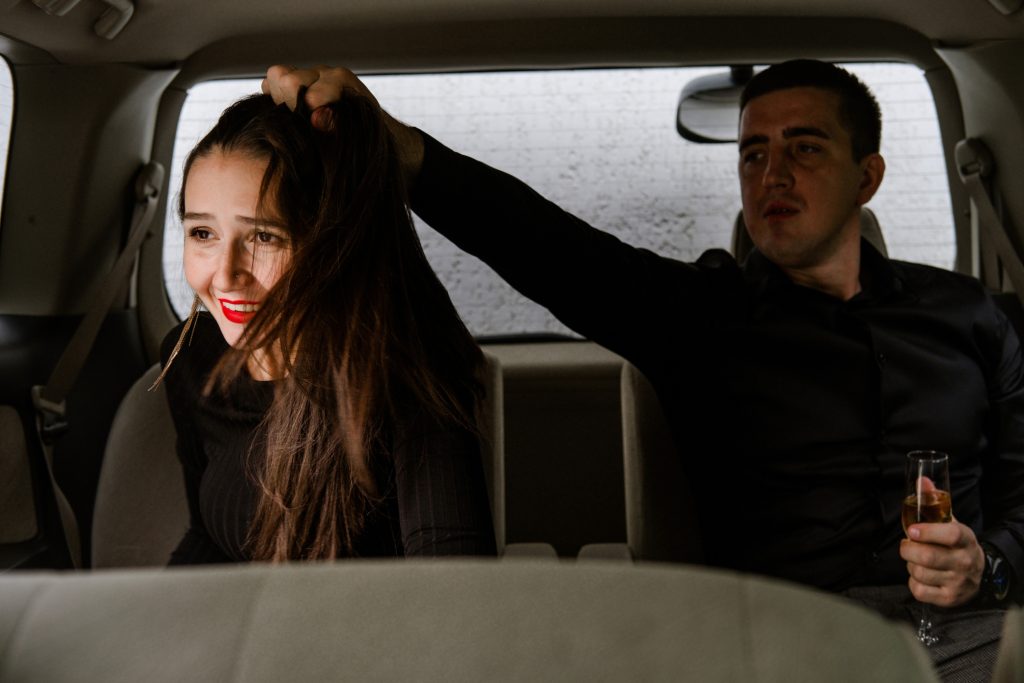
You ordered a rideshare to get to your destination, but horror ensued when the driver sexually assaulted you. While a crime was committed, you can also file an Uber Lyft driver assault civil claim in Texas.
A compassionate Dallas sexual assault victim lawyer at Crowe Arnold & Majors, LLP can help during this difficult time. We have won substantial settlements for our clients and will handle your case with passion.
No Fee Unless We Win!
Can You Sue Uber or Lyft for Sexual Assault in Texas?
Yes, you can sue Uber and Lyft for sexual assault in Texas, depending on the circumstances of the case. To date, Uber and Lyft have faced thousands of lawsuits accusing the companies of failing to protect customers from driver sexual violence.
Both Uber and Lyft have million-dollar insurance policies for their drivers while transporting customers. Those insurance policies are geared toward car accidents, not necessarily sexual assault claims.
A rideshare accident attorney at Crowe Arnold & Majors, LLP has the expertise to fight Uber and Lyft and knows the tactics these companies use to avoid responsibility.
“Hotels have a responsibility to take reasonable steps to protect the people who trust them with their safety. When failures like broken locks, inadequate security, or poor staff screening contribute to a sexual assault, survivors deserve the opportunity to hold the hotel accountable. Civil litigation gives survivors a way to pursue answers, compensation, and accountability for the harm they have suffered.“
–Crowe Arnold & Majors, LLP
How Rideshare Companies Try to Avoid Liability
When filing a civil sexual assault claim in Texas, you need an attorney well-versed in Uber and Lyft sexual assault lawsuits in Texas because rideshare companies try to avoid liability with tactics such as classifying drivers as independent contractors rather than employees. They will try to deny any claim involving a driver who was “on call” rather than actively transporting a customer.
As per the New York Times, Uber “scours women’s private communications, medical records, therapy notes and other sources for sensitive details, including other sexual assaults, childhood abuse and domestic violence.” The goal is to blame the victim for the assault based on what she wore, amount of alcohol consumed, and previous sexual history.
No Fee Unless We Win!
What Is Negligent Hiring — and Why It Matters for Your Case
Rideshare companies have a duty to screen drivers. When the company hires a driver despite evidence that they had previous DUIs or a criminal history, that information can affect the outcome of your claim.
There is also negligent retention, when the company receives complaints about a driver’s behavior or misconduct and continues allowing the driver to accept rides. If it turns out that other customers lodged complaints about the driver, such as propositioning them for sex, and the company retained the person, that will also boost your claim.
In addition to negligent hiring, plaintiffs also accuse rideshare companies of negligence by failing to install basic safety features such as in-car cameras or ride monitoring.
Civil vs. Criminal: You Don’t Need a Criminal Conviction to File
Sexual assault is a crime. The defendant may or may not be arrested and charged. If charged, is it possible they are acquitted. While an acquittal means they are not facing any time in prison, that does not mean they are immune from a civil lawsuit.
A criminal conviction is not necessary to file a lawsuit. While a conviction may prove advantageous, and the victim may feel justice was done, the criminal proceedings and the civil lawsuit are unrelated.
What Damages Can Survivors Recover?
Damages, or compensation, in a rideshare sexual assault lawsuit may include both economic and non-economic.
Economic factors are relatively straightforward to determine, such as:
- Medical expenses, current and future
- Mental health therapy
- Lost wages due to the need to take recovery time from work
- Loss of future earnings, if the trauma prevents working in your former occupation
Non-economic damages are less straightforward. They include:
- Pain and suffering
- PTSD
Emotional distress
No Fee Unless We Win!
Steps to Take After a Rideshare Sexual Assault in Texas
The steps to take after the trauma of a rideshare sexual assault protect your mental and physical health and establish a claim. Here is what to do:
- Call 911 immediately. Provide all details to the police.
- Go to the nearest clinic or hospital that provides rape kits for an examination and testing.
- Report the assault to the rideshare company.
- Consult an experienced rideshare sexual assault lawyer in Dallas.
The sexual assault statistics in Texas reveal that two in five women will be victims of sexual assault in their lifetime and Texas has the highest number of forcible rapes in the country. You are not alone, and there are well-established systems in place to help you.
How Long Do You Have to File a Claim?
When filing a personal injury lawsuit, the statute of limitations for sexual assault in Texas is typically five years from the date of the incident if the victim is 18 or older. If a minor is under 17, the statute of limitations ranges from 10 to 20 years after their birthday.
Aggravated sexual assault, which involves use of a deadly weapon or causing serious bodily injury, does not have a statute of limitations. Neither does the sexual assault of a child.
Speak With a Dallas Rideshare Sexual Assault Attorney
If you were a victim of an Uber Lyft sexual assault, speak with a Dallas rideshare sexual assault attorney at Crowe Arnold & Majors, LLP today. Since we work on a contingency basis, you pay no fee unless you receive compensation.