
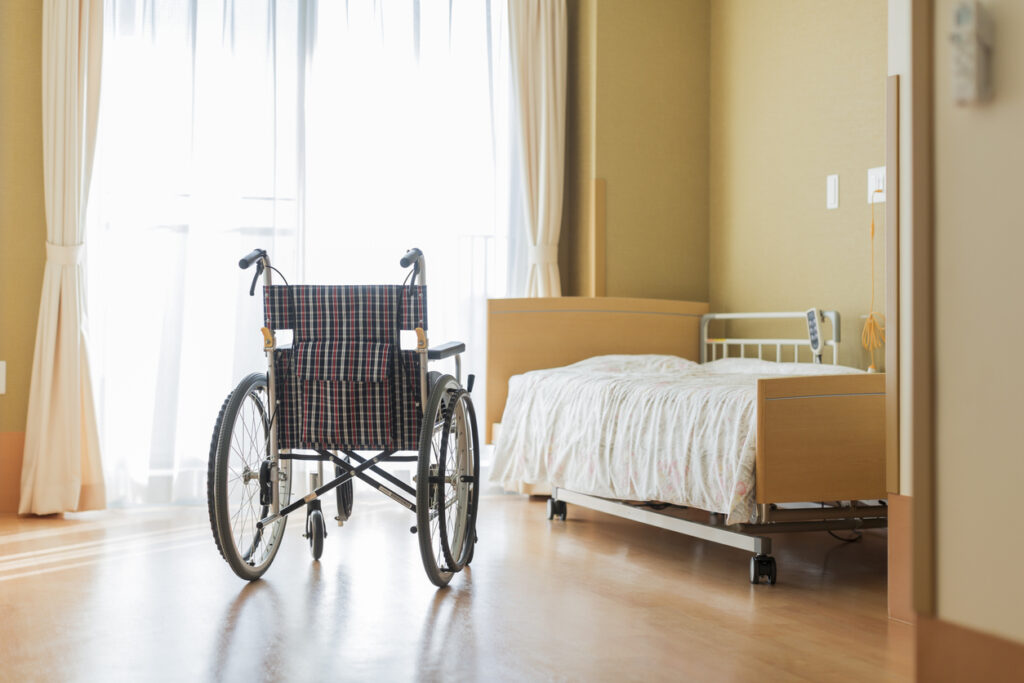
Vulnerable nursing home residents in Texas rely entirely on staff for basic needs, but chronic staffing shortages and high turnover rates put them at serious risk. When there aren’t enough caregivers, the potential for harm increases dramatically. Overworked staff may unintentionally neglect residents or cut corners under pressure. In extreme cases, these lapses can escalate into abuse or dangerous neglect. This toxic cycle, where stress leads to burnout, and burnout leads to more turnover, creates an environment where your loved one doesn’t receive the care they deserve.
At Crowe Arnold & Majors, every case we take is personal, because behind every nursing home negligence case is a family whose world has been turned upside down. When you choose our nursing home neglect lawyers in Dallas to fight for the rights of your family member, you’re not just hiring a legal team; you’re gaining advocates who are deeply committed to justice.
Nursing Home Residents’ Rights
Under federal and Texas law, nursing home residents have certain rights. These include:
The right to a dignified existence and self-determination.
- Communication with and access to persons and services inside and outside the facility.
- Nursing facilities and assisted living facilities should care for their residents in a manner and in an environment that maintains or enhances each resident’s quality of life.
- Residents of long-term care should receive the necessary care and services to maintain the highest practicable level of physical, mental, and psychosocial well-being.
Violation of any of these rights, especially a gross violation, can constitute grounds for filing a nursing home abuse lawsuit.
Reasons for Nursing Home Staff Shortages
The federal government is moving to officially cancel a rule that would have required nursing homes to meet certain minimum staffing levels. Introduced by the Biden administration in 2023, the policy faced strong opposition from the nursing home industry, which argued it was unrealistic. For example, it included the requirement for around-the-clock registered nurse staffing and a minimum staffing threshold of 3.48 hours per resident per day. Federal law or not, few nursing homes could meet the standard due to staffing shortages.
Legal and political challenges have already weakened the rule, including a court decision in Texas and a new law that paused the rule for 10 years. Now, the Centers for Medicare & Medicaid Services (CMS) appears ready to scrap it entirely.
Click Here to Call Our Law Office
A Lack of Qualified Candidates
In its 2024 State of the Sector report, titled “Nursing Home Labor Shortages Persist Despite Unprecedented Attempt to Attract More Staff,” the American Health Care Association (AHCA) highlights the ongoing challenges facilities face in hiring. According to the report, 94 percent of nursing homes say recruiting new staff is difficult. Sixty-seven percent of the 441 respondents cite a lack of qualified or interested candidates as an “extremely big obstacle,” and 80 percent report that it often takes months to fill open positions.
During 2023–2024, many nursing homes increased wages, with 90 percent of facilities boosting pay and offering incentives such as sign-on bonuses. Despite these efforts, attracting and retaining qualified applicants continued to be a challenge.
Texas Nursing Home Staffing Requirements
Texas has its own nursing home staff requirements. Under 26 Tex. Admin. Code § 554.1002, ”At a minimum, the facility must maintain a ratio (for every 24hour period) of one licensed nursing staff person for each 20 residents or a minimum of .4 licensedcare hours per resident day.” For example, three licensed nurses each working eight hours equals 24 total licensed‐nurse hours. If the facility has 60 residents, then 24 ÷ 60 = 0.4 licensed-care hours per resident per day.
However, meeting the minimum doesn’t automatically mean the facility is compliant in other ways: staffing must be “sufficient to meet the needs of the residents,” and factors such as the ratio of licensed to unlicensed staff, qualifications, and other relevant considerations are also important. So the minimum is a baseline, not a guarantee of high-quality care.
Dangers of Understaffed Nursing Homes
Nursing homes are expected to maintain a clean and hygienic environment. However, staffing shortages, including within housekeeping departments, can compromise these standards. Cleanliness is often a reflection of overall facility management.
Inadequate hygiene may contribute to the spread of infections, such as respiratory illnesses, which can pose serious health risks to residents, particularly those with existing vulnerabilities.
Unhygienic conditions include:
- Soiled bedding
- Dirty clothing
- Foul odors
- Clutter
- Improper food or medication storage
- Unkempt residents
Maintenance and Safety Hazards in Understaffed Facilities
Staff shortages go beyond caregivers. Nursing home management may be ignoring necessary repairs that may pose a threat to residents. Inspect the facility carefully and look for potential dangers such as:
- Damaged or improperly fitted equipment, such as beds and wheelchairs
- Exposed wiring
- Inadequate lighting
- Improper use of assistive devices
- Uneven or damaged flooring
- Missing or damaged handrails or grab bars
Insufficient staffing can lead to bedsores, dehydration, fractures, frequent urinary tract infections, malnutrition, undetected medical conditions, and resident wandering. Staff shortages also increase the risk of falls, abuse between residents, medication errors, and neglect of essential care needs like toileting, repositioning, and timely response to call lights.
Documenting How Staff Shortages Put Your Loved One at Risk
If you suspect that your loved one is being harmed due to staff shortages in a nursing home, careful documentation is essential. Clear, consistent records can help establish patterns of neglect or unsafe conditions and may serve as key evidence in a legal claim:
- Maintain a dated journal noting specific incidents of suspected abuse, neglect, or unmet care needs.
- Photograph or record video evidence of unsanitary, unsafe, or poorly maintained facility conditions.
- Document any visible injuries, such as bruises, cuts, or sores, with clear photographs or videos, especially if the cause is unexplained.
- Communicate your concerns in writing to the facility’s management and keep records of all responses.
- Obtain copies of medical records related to recent or unexplained injuries, health changes, or signs of neglect.
- Collect written or recorded statements from witnesses, including other residents, their family members, visitors, and facility staff, when possible.
If you feel your loved one is in danger, report the nursing home abuse to the Texas Department of Health and Human Services by calling 800-458-9858. Agents are available Monday through Friday from 7 a.m. to 7 p.m. If your family member is in immediate peril, contact the local police department.
Contact a Dallas Nursing Home Abuse Attorney
If your loved one has been harmed by nursing home abuse or neglect due to staff shortages, contact the Dallas nursing home abuse lawyers at Crowe Arnold & Majors, LLC. Schedule a free, no-obligation consultation. We work on a contingency basis, so there is no fee unless you or your family member receives compensation.