
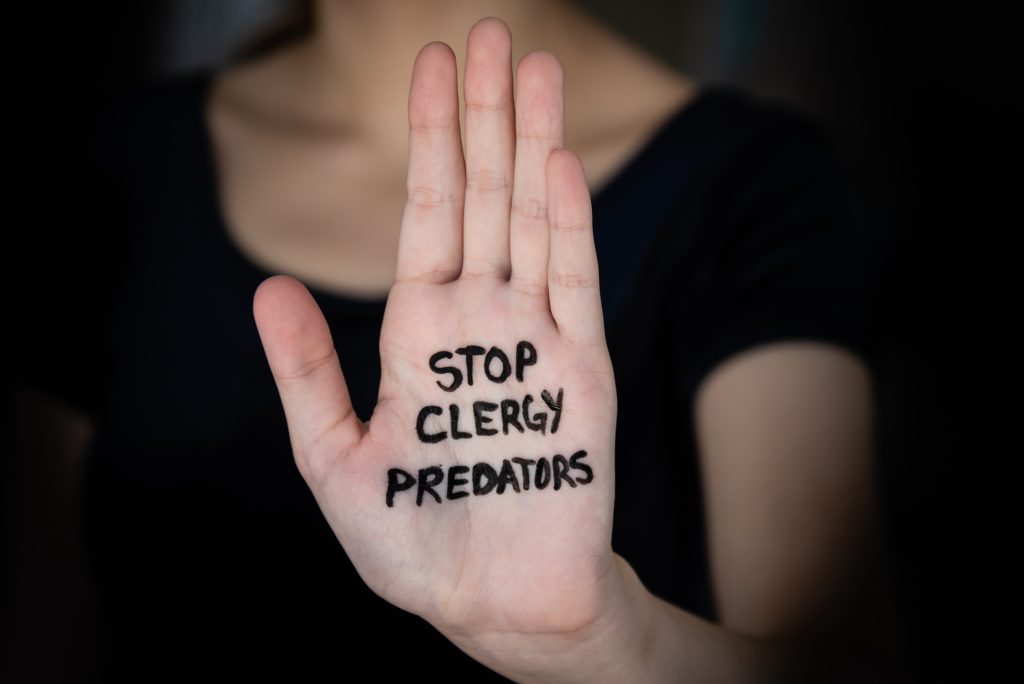
Yes, survivors can sue a church for sexual abuse in Texas. That right isn’t limited to the Catholic Church. Whether the abuse happened in a Baptist congregation, a Jehovah’s Witness Kingdom Hall, or a nondenominational fellowship, Texas law treats the harm the same way: as a civil wrong that can be brought before a court.
Although media coverage tends to focus on Catholic institutions, if a pastor, youth minister, elder, deacon, or church volunteer abused you, you have the same rights to hold that person and the organization behind them accountable. A Dallas church sexual abuse lawyer at Crowe Arnold & Majors, LLP can help you understand what that could mean for your case.
No Fee Unless We Win!
Yes, Survivors Can Sue Any Church or Religious Organization in Texas
Texas doesn’t single out one denomination. Survivors can bring a civil claim against any religious organization if its clergy, staff, or volunteers caused harm, or if leadership knew about the risk and failed to act.
Whether the organization is Catholic, Baptist, Pentecostal, Jehovah’s Witness, or unaffiliated with any larger denomination, survivors can rely on the same legal theories to hold it accountable: negligent hiring, negligent supervision, and a failure to report that supports a negligence claim against the organization itself.
Which Religious Organizations Can Be Held Liable?
Almost any faith-based organization can be named in a lawsuit if it employed or supervised the abuser, including:
- Catholic dioceses and parishes
- Baptist, Methodist, and other Protestant congregations
- Jehovah’s Witness congregations and governing bodies
- Evangelical and nondenominational churches
- Religious schools, camps, and youth ministries
Survivors researching church sexual abuse cases often want to know how a specific denomination’s structure affects their options. We’ve written more about suing a Jehovah’s Witness congregation for sexual abuse in Texas and suing the Catholic Church for sexual abuse in Texas. Explore these resources to learn more.
No Fee Unless We Win!
How Texas Law Applies to All Denominations
Texas Penal Code Section 22.011 recognizes that clergy who exploit a person’s emotional dependency for sexual purposes have engaged in nonconsensual conduct. The power imbalance itself makes the conduct abusive under the law, regardless of denomination.
Texas Family Code Section 261.101 also requires anyone, including church staff and volunteers, to report suspected child abuse to DFPS or law enforcement immediately upon learning of it. Handling a report internally does not satisfy that duty, and failing to report is a Class A misdemeanor punishable by a fine of up to $4,000 and up to a year in jail.
Who Can Be Named as a Defendant in a Religious Abuse Lawsuit?
Defendants can include:
- The individual clergy member, minister, or volunteer who committed the abuse
- Local church leadership who knew about the risk, ignored warning signs, or failed to report it
- The broader denomination, diocese, or governing body responsible for supervising clergy and staff
If the survivor was a minor at the time, our child sexual abuse attorneys in Dallas will evaluate whether affiliated school or camp programs share responsibility.
No Fee Unless We Win!
What Is the Statute of Limitations for Suing a Church in Texas?
Adult survivors of sexual assault generally have five years from the date of the assault to file a civil claim, under Texas Civil Practice and Remedies Code § 16.0045(b).
Texas House Bill 3809, effective September 1, 2019, extended the civil filing deadline for child sexual abuse claims to 30 years from a survivor’s 18th birthday, giving them until age 48 to file. This applies whether the claim is against an individual abuser or the church or institution that supervised them.
The deadline that applies to a given case generally depends on when the abuse occurred, since the law isn’t retroactive. A claim already time-barred before the 2019 change took effect doesn’t get revived by the extended window.
The exact timeline can depend on when the abuse happened and when it came to light. Learn more about suing for childhood sexual abuse as an adult in Texas.
“Sexual abuse in religious settings isn’t confined to one denomination, and neither is the law that protects survivors. Every survivor deserves the chance to hold that institution accountable, regardless of their faith.”
–Crowe Arnold & Majors, LLP
What Damages Can Survivors Recover?
Survivors who sue a church for sexual abuse in Texas may be able to recover compensation for:
- Costs of therapy and other mental health treatment
- Medical expenses connected to the abuse
- Pain and suffering
- Lost wages or diminished earning capacity
- In some cases, exemplary damages meant to punish conduct involving fraud, malice, or gross negligence
Every case turns on its own facts, so there’s no way to say in advance what a claim might be worth, but Texas law provides a clear framework for pursuing it.
Why You Should Speak With an Attorney
Filing a religious organization sexual abuse lawsuit in Texas may feel intimidating while you’re trying to heal. At Crowe Arnold & Majors, our legal team handles the most difficult parts: investigating what happened, gathering evidence, and pushing back against a well-resourced institution’s defense.
Our attorneys have recovered hundreds of millions of dollars in verdicts and settlements for injured clients, and religious abuse cases are handled on a contingency fee basis. That means you owe nothing unless we recover money for you. If you’ve been searching for a clergy abuse lawyer in Dallas that survivors can trust, you’ve found the right team.
Get the Support You Need After Religious Abuse. Schedule a Free Consultation Today.
If you’re ready to talk, schedule a free confidential consultation with Crowe Arnold & Majors. No matter which denomination was involved, you deserve to be heard.