
If you’ve been sexually assaulted, you may question whether legal action is possible without a criminal conviction or police report. In Texas, it is. Survivors have a separate civil path toward accountability, one that runs independently of the criminal system.
Our Dallas sexual assault lawyers at Crowe Arnold & Majors, LLP, stand beside survivors with compassion, confidentiality, and strength. We represent individuals who were abused by coworkers, supervisors, caregivers, and other authority figures, including cases involving workplace sexual assault and institutional negligence. You are not alone. We are here to listen, to believe you, and to fight for accountability.
Our attorneys have decades of experience representing survivors in serious civil sexual assault cases. Our firm has recovered hundreds of millions of dollars in verdicts and settlements, including a $3.3 million settlement for a fast-food workplace assault survivor. We are prepared to pursue justice aggressively while treating survivors with the care and respect they deserve.
Speak Confidentially With a Dallas Sexual Assault Lawyer
Call for a Free Consultation
Why Survivors File Civil Sexual Assault Lawsuits in Texas
A criminal case is brought by the state, not by you. The district attorney decides whether to file charges, controls how the case proceeds, and can drop it at any time. The survivor is a witness, not a party. Its purpose is punishment: jail time, probation, a criminal record. A conviction requires proof beyond a reasonable doubt, the highest standard in the legal system.
You bring a civil case. You control whether to file. Your sexual assault victim attorney in Dallas answers to you, not a prosecutor’s office. The purpose of a civil case is compensation: medical bills, therapy and future treatment costs, lost wages, and damages for pain and suffering. The standard is lower. It requires a preponderance of the evidence, meaning it’s more likely than not that the assault happened and caused harm.
“Institutions that ignore warning signs don’t get to hide behind the individual who caused the harm. When a school, employer, or facility had the chance to stop abuse and didn’t, we build the case around what they knew and when they knew it, not just what happened in a single incident.” – Crowe Arnold & Majors, LLP
A Civil Claim Doesn’t Depend on the Criminal Outcome
A civil claim can move forward even if no criminal charges were ever filed, if the DA declined to prosecute, if charges were dropped, or if a criminal trial ended in acquittal. The two systems run independently, and one outcome doesn’t determine the other; a survivor can pursue civil compensation regardless of what happens, or doesn’t happen, in criminal court.
Call Our Dallas Law Office for a Free, Confidential Consultation
Holding Institutions Accountable for Enabling Abuse
Perpetrators rarely act in a vacuum. Often, an employer, school, place of worship, or care facility had warning signs and failed to act on them, whether that meant ignoring a prior complaint, skipping a background check, or allowing someone to remain in a position of trust after concerns were raised.
A civil case can name the institution itself as a defendant, which allows your attorney to demand its hiring records, internal complaints, and any warning signs it ignored.
A civil claim can name the perpetrator individually, the institution, or both; they aren’t mutually exclusive. When an institution created the conditions for abuse or failed to stop it, the institution may share legal responsibility alongside the individual who caused harm.
Why the Institution Is Often the More Consequential Defendant
In practice, the institution is often the more consequential defendant. An individual perpetrator may be judgment-proof, unidentified, deceased, or incarcerated, with little in the way of assets or insurance to draw from. An institution, whether it’s a fast food restaurant, a school district, a corporation, or a religious organization, more often has insurance coverage that can make a real difference in what a survivor is able to recover.
Where Institutional Negligence Shows Up
Institutional negligence shows up in a range of settings, including:
- Workplace sexual assault cases, where an employer failed to properly screen, train, or supervise employees around coworkers, customers, or minors
- Sexual abuse in schools, where administrators failed to remove or report a staff member despite prior complaints
- Civil claims for child sexual abuse, involving daycare centers, camps, or youth programs that didn’t screen or supervise staff properly
- Church sexual abuse cases, where clergy or staff were shielded or quietly reassigned instead of being reported
- Sexual abuse in nursing homes, where facilities failed to protect residents from staff or other patients
Holding an institution accountable often means uncovering records, including personnel files, safety audits, and policy manuals that show what the institution knew and when. That’s the kind of investigation our legal team conducts on your behalf, often revealing a pattern the institution would rather keep quiet.
Plus no fees unless we win!
Texas Statute of Limitations for Civil Sexual Assault Claims
Texas law gives survivors more time to come forward than most personal injury claims allow, but the deadline depends on the survivor’s age at the time of the assault.
Adult Survivors: Five Years to File
Under Texas Civil Practice and Remedies Code § 16.0045(b), adult survivors of sexual assault or aggravated sexual assault generally have five years from the date the assault occurred to file a civil claim. This extended window, longer than the standard two-year deadline for most personal injury claims, applies specifically because the underlying conduct violates Texas Penal Code provisions covering sexual assault, aggravated sexual assault, trafficking, and compelling prostitution.
Child Sexual Abuse Survivors: Until Age 48
Survivors who were assaulted as children have significantly more time. Under §16.0045(a), the civil deadline for claims arising from child sexual abuse is 30 years from the date the cause of action. Because Texas law tolls the limitations period during minority under §16.001, that 30-year clock doesn’t start running until the survivor turns 18, giving most survivors until their 48th birthday to file.
This extended timeline reflects a 2019 change under House Bill 3809, which lengthened the previous 15-year window to 30 years, recognizing how long survivors of childhood abuse often need before they’re able to come forward.
Time-Barred Claims Are Not Revived
The extended limitations period doesn’t apply retroactively to claims that were already time-barred before the change took effect on September 1, 2019. The deadline that governs a particular case is generally the one in effect at the time of the assault, which means the applicable limitations period can vary depending on when the abuse occurred.
Because these timelines depend on the specific facts of the case, including the date of the assault and the survivor’s age at the time, an attorney can review the details and confirm whether a claim still falls within the filing window.
Call Our Law Office for Sexual Abuse Representation
What Compensation Is Available in a Dallas Sexual Assault Case?
Texas law allows survivors to pursue compensation for the losses that follow an assault, including therapy and counseling, medical care, lost income if the trauma affected the ability to work, and pain and suffering, which covers the psychological impact of the assault, including PTSD, anxiety, depression, and diminished quality of life.
In cases involving fraud, malice, or gross negligence, such as an institution that knowingly covered up prior abuse, a jury may also award exemplary damages under Texas Civil Practice and Remedies Code Chapter 41. Unlike compensatory damages, exemplary damages are intended to punish the defendant’s conduct, and Texas law requires clear and convincing evidence to support them.
What a case is worth depends on the specific facts involved: the severity and duration of the abuse, the strength of the evidence against the institution, and the extent of the survivor’s damages. An attorney can provide a realistic assessment only after reviewing those details.
Steps to Take After a Sexual Assault in Dallas
The following steps can help preserve evidence and protect your legal options if you decide to pursue a civil claim:
- Get a SANE examination. A Sexual Assault Nurse Examiner (SANE) can document injuries, collect forensic evidence, and create a medical record that supports both a criminal case and a civil claim. Hospitals in the Dallas area with SANE programs include Methodist Dallas Medical Center and Texas Health Presbyterian Hospital Dallas. The Dallas Area Rape Crisis Center (972-641-7273) can also help direct you to the nearest SANE-certified exam. This evidence is time-sensitive and becomes harder to recover the longer you wait.
- Preserve documentation. Save any messages, photos, emails, or records connected to the assault or to the person or institution involved. These records can establish a timeline and corroborate what happened.
- Write a contemporaneous account. Document what you remember as soon as you’re able, in as much detail as possible. A written record made close to the time of the assault carries more weight than one reconstructed later.
- Identify witnesses. Note anyone who may have seen or heard something relevant, or to who you disclosed at the time, even informally. Their accounts can corroborate your own.
- Consult an attorney. A sexual assault attorney can advise on the statute of limitations that applies to your case, help preserve evidence before it’s lost, and identify whether an institution may share liability.
Reporting to the police is not a requirement for pursuing a civil claim. A civil case can proceed with or without a police report, and on its own timeline, separate from any criminal investigation.
Massage therapist sexual assault settlement.
Settlement involving client who was raped at fast-food restaurant by a manager.
Clergy Abuse Settlement.
Representation Built Around What Survivors Need
We work on a contingency basis, so there’s no upfront cost. Our trial experience means we’re prepared to take a case in front of a jury when a fair settlement isn’t on the table, rather than pushing survivors toward a quick resolution just to close the file.
Crowe Arnold & Majors represents survivors throughout Dallas, DFW, and the broader North Texas region, including Arlington, Plano, Garland, Irving, and Richardson. Our firm serves as a Dallas sexual abuse victim lawyer resource for the community, here whenever you’re ready to talk.
Schedule a free, confidential consultation to determine your options.
Consult a Sexual Assault Lawyer Today
Why Survivors Choose Crowe Arnold & Majors, LLP
When you hire Crowe Arnold & Majors, LLP, you are not hiring a single lawyer, you are hiring a team of attorneys who collaborate to pursue the strongest possible outcome.
Survivors throughout Dallas and North Texas trust our firm because of our:
- Decades of Trial Experience against powerful institutions
- Proven Results, including multi-million-dollar recoveries
- Institutional Investigation Skills uncovering negligent hiring and supervision
- Compassionate, Trauma-Informed Representation
Our Track Record in Civil Sexual Assault Cases
- Fast-Food Workplace Assault: $3.3 million settlement for a teen employee
- Clergy Abuse Cases: Multiple confidential settlements
- Nursing Home Abuse: $3.0 million verdict for an elderly resident
We work on a contingency fee basis, meaning you pay nothing unless we secure compensation for you.
Legal Support for Survivors in Dallas and Surrounding Cities
At Crowe Arnold & Majors, LLP, we proudly represent survivors throughout Dallas, Arlington, Plano, Garland, Irving, Richardson, and surrounding North Texas communities.
If you or someone you love was sexually assaulted, help is available. You deserve to be heard, protected, and supported.

John W. Arnold,
Partner, Trial and Appellate Attorney
With over 25 years of experience, John is a seasoned trial and appellate attorney known for delivering results.

David W. Crowe
Partner, Personal Injury
For more than 30 years, David has been a powerful advocate and fighting for individuals harmed by negligence and abuse.
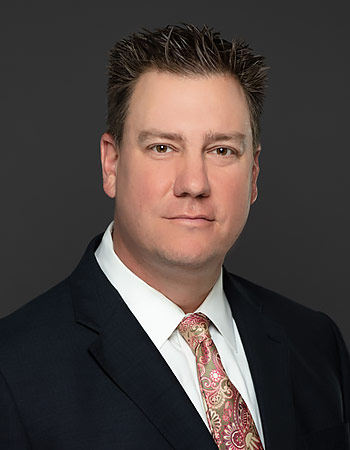
D.G. Majors
Trial Attorney, Personal Injury and Product Liability
D.G. is a trial lawyer with a strong track record of results in personal injury, product liability, and commercial litigation.





Our Dallas Location
6550 Bank of America Plaza
901 Main St.
P: 214-231-0555